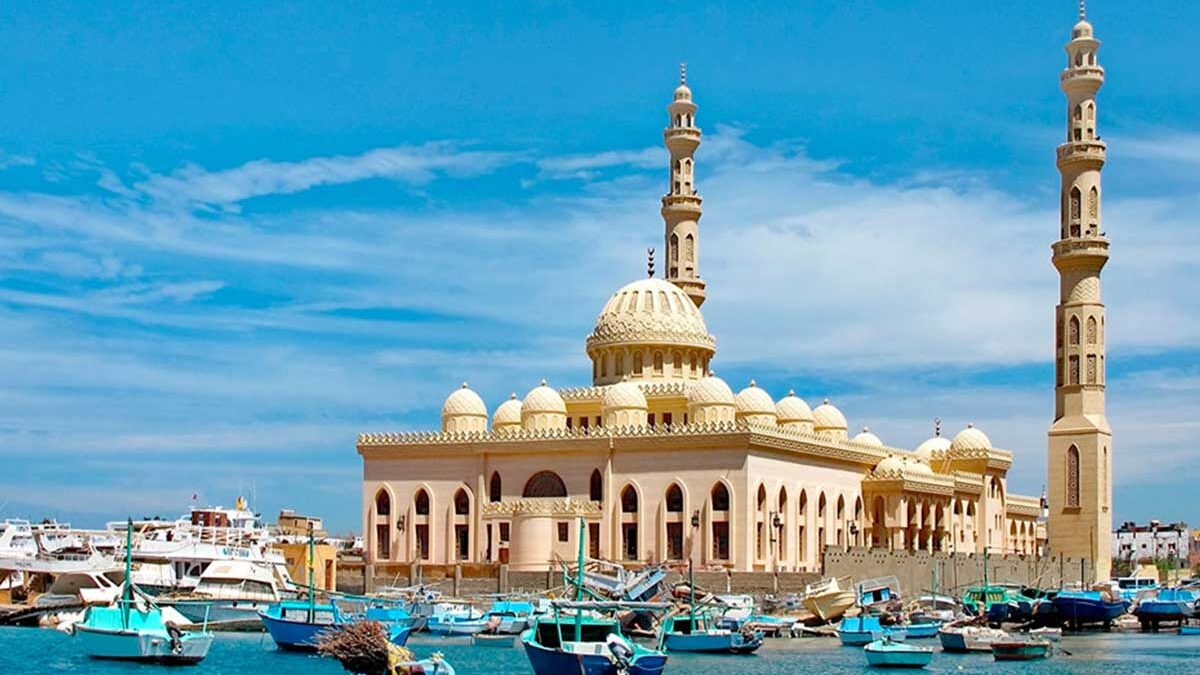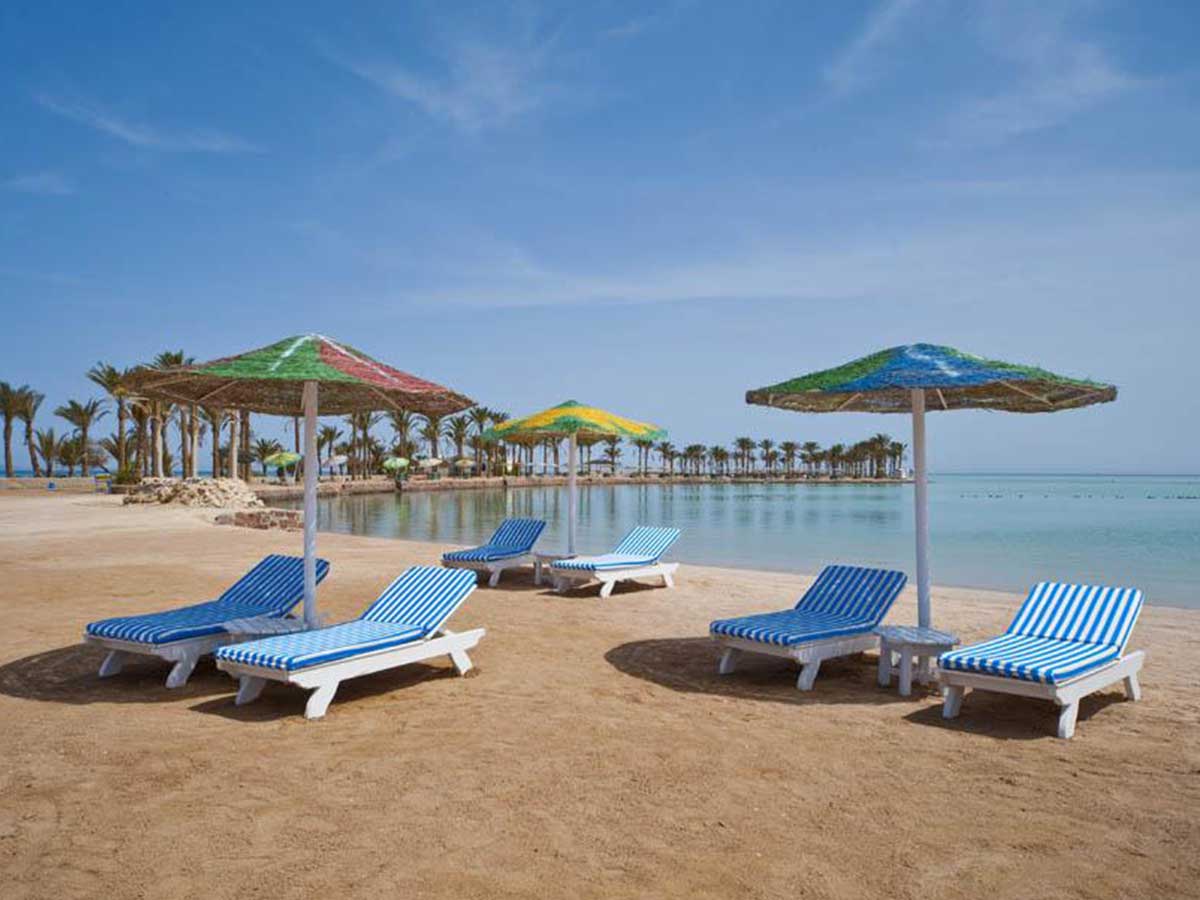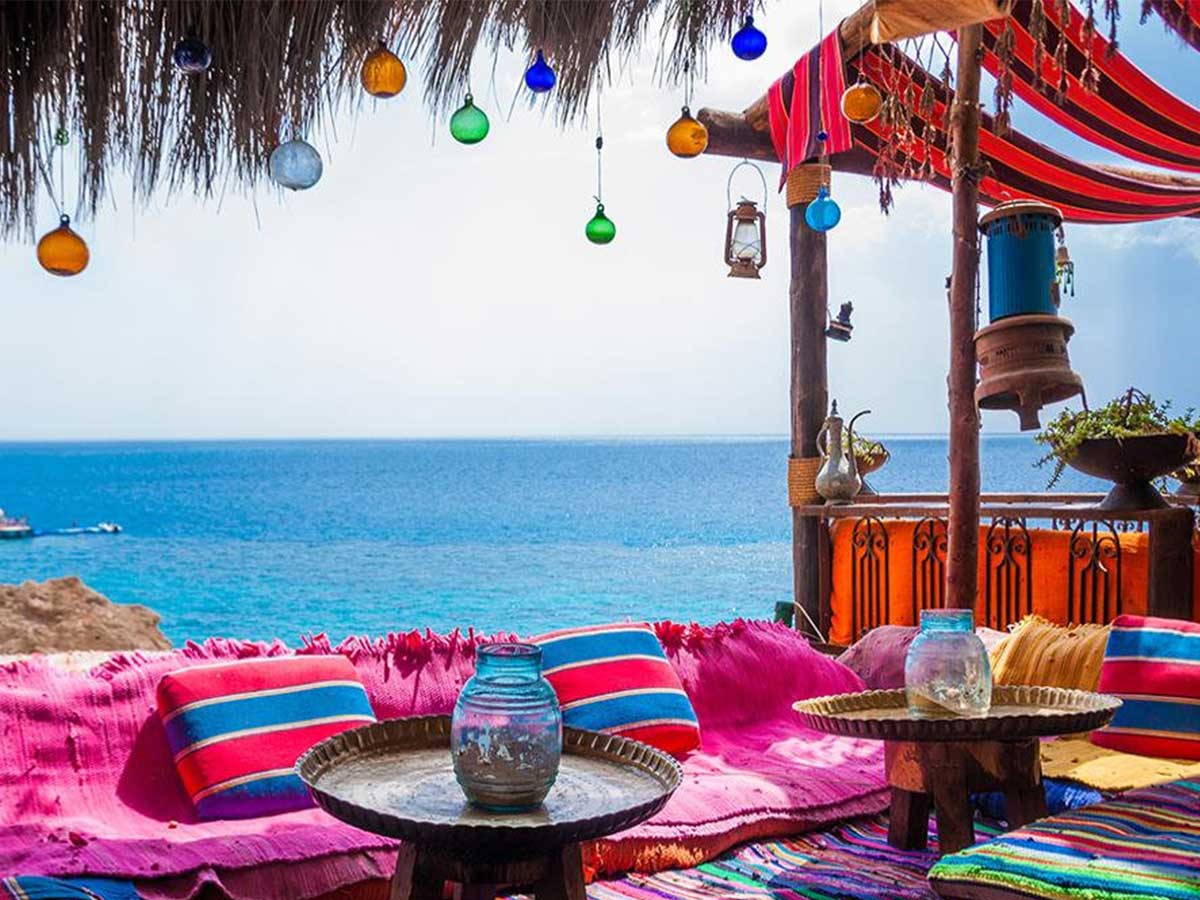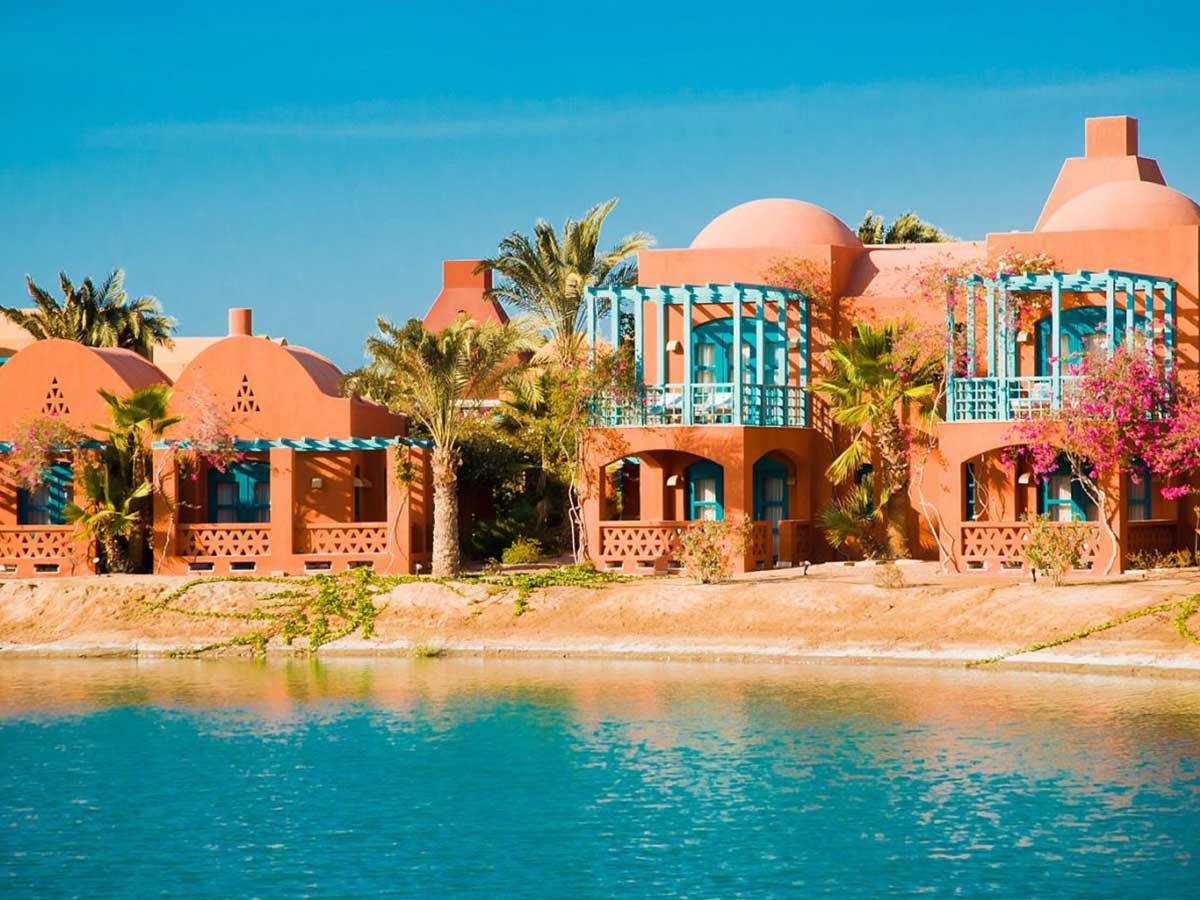
Hurghada is a coastal gem on the Red Sea, known for its golden beaches, vibrant coral reefs, and thriving tourism industry. Located in eastern Egypt, it has transformed from a small fishing village into one of the most popular resort destinations in the Middle East. With year-round sunshine, world-class diving spots, and a mix of modern amenities and traditional charm, Hurghada attracts millions of visitors annually. Whether you’re seeking adventure, relaxation, or cultural experiences, Hurghada offers something for every traveler.
We will dives deep into everything you need to know about Hurghada — from its history and climate to its top attractions, activities, accommodations, and practical travel tips. By the end, you’ll understand why this Egyptian city remains a top choice for sun-seekers, divers, and families alike.
All About Hurghada
- What Is Hurghada?
- Why Is Hurghada So Popular?
- The History of Hurghada
- Where Is Hurghada Located?
- Climate and Best Time to Visit Hurghada
- Top Attractions in Hurghada
- Best Beaches in Hurghada
- Water Sports and Activities in Hurghada
- Family-Friendly Activities in Hurghada
- Luxury and Budget Accommodations in Hurghada
- Shopping in Hurghada
- Dining and Cuisine in Hurghada
- Transportation in Hurghada
- Safety and Travel Tips for Hurghada
- Hurghada for Digital Nomads and Expats
- Events and Festivals in Hurghada
- Conclusion
- Sources:
What Is Hurghada?
Hurghada is a major city and resort destination on the western shore of the Red Sea in Egypt. It lies approximately 550 kilometers (340 miles) south of Cairo and serves as the capital of the Red Sea Governorate. Originally a quiet fishing settlement, Hurghada began gaining international attention in the 1980s when tourism development projects transformed it into a global vacation hotspot.

Today, Hurghada is recognized for its long stretches of sandy beaches, luxury resorts, and access to some of the best scuba diving sites in the world. The city is divided into several districts, including El Dahar (the old town), Sekalla (the port area), and the newer resort zones like El Makadi Bay, Soma Bay, and Safaga Road, each offering different vibes and experiences.
The name Hurghada is believed to come from the Arabic word ghurud, meaning “rocky islands” or “high ground,” possibly referring to the nearby coral formations and elevated land along the coast. While the city has modernized rapidly, it still maintains a connection to its Bedouin roots and maritime heritage.
Hurghada’s economy is heavily dependent on tourism. Millions of visitors arrive each year from Europe, Russia, the Gulf countries, and beyond. The city hosts international events, water sports competitions, and eco-tourism initiatives that continue to boost its global profile.
Why Is Hurghada So Popular?
Hurghada’s popularity stems from a powerful combination of natural beauty, favorable weather, and well-developed tourist infrastructure.
First, the climate is nearly perfect. Sunshine is abundant, with over 350 days of clear skies annually. Winters are mild and pleasant, making it an ideal escape for Europeans during colder months. Summer temperatures can be high, but the sea breeze keeps the coastal areas comfortable.

Second, the underwater world around Hurghada is breathtaking. The Red Sea is home to more than 1,000 species of fish and 200 types of coral. Reefs like Giftun Island, Ras Abu Galawa, and the Elphinstone Reef are protected within marine reserves and attract divers from around the globe.
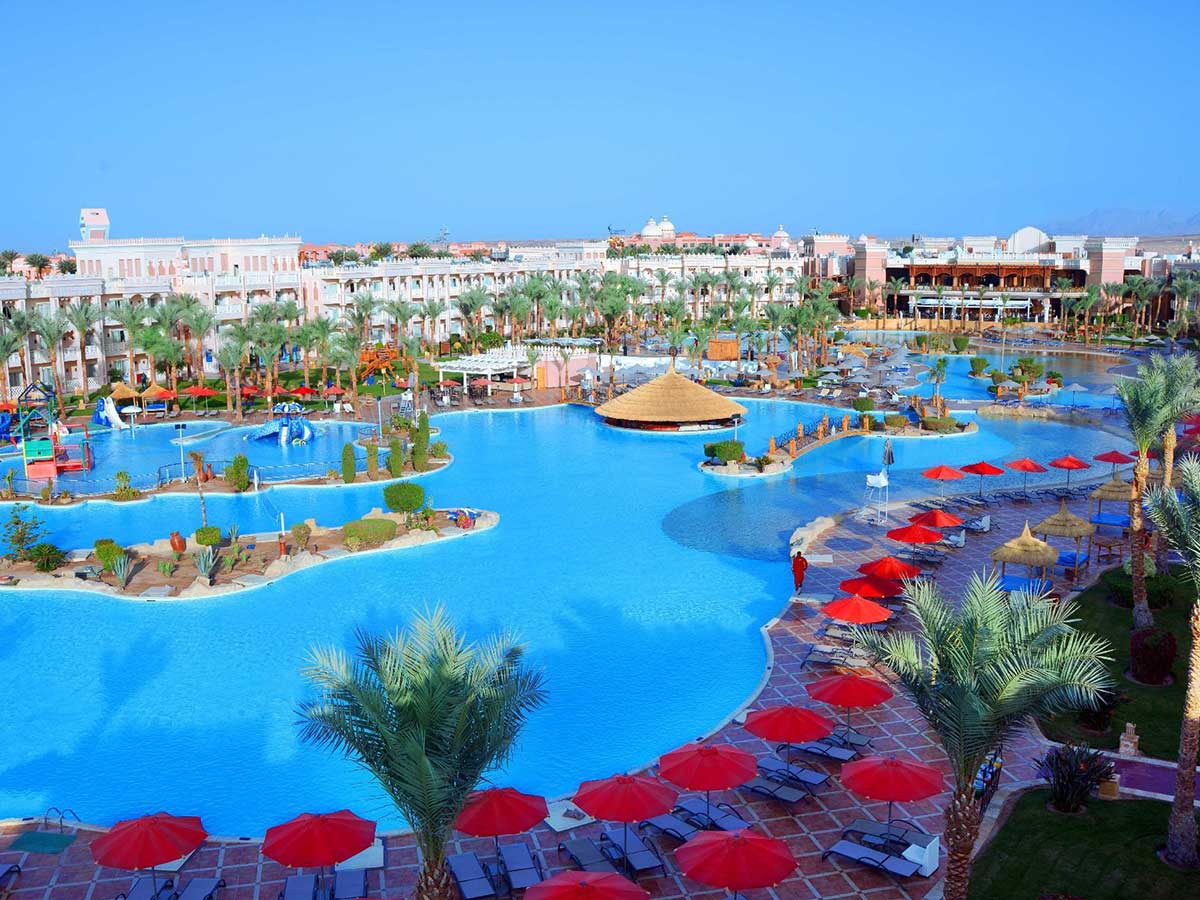
Third, Hurghada offers a wide range of accommodations. From budget-friendly hostels to five-star all-inclusive resorts, options cater to solo travelers, couples, and large families. Many hotels feature private beaches, water parks, spas, and kids’ clubs.
Fourth, accessibility has improved significantly. Hurghada International Airport (HRG) serves over 40 airlines and connects the city directly to major cities across Europe, Asia, and the Middle East. Daily flights operate from London, Moscow, Istanbul, Frankfurt, and Dubai.
Lastly, safety and affordability make Hurghada appealing. While no destination is entirely risk-free, the Egyptian government has invested heavily in securing tourist areas. Compared to other Mediterranean or Caribbean resorts, Hurghada provides excellent value — meals, excursions, and souvenirs are often much cheaper.
The History of Hurghada
Hurghada’s story begins long before it became a tourist hotspot. Archaeological evidence suggests that the Red Sea coast has been inhabited since ancient times. Pharaonic inscriptions and ruins found near Safaga indicate that Egyptians mined copper and turquoise in the region as early as 2000 BCE.

During the Greco-Roman period, the area was part of trade routes linking the Nile Valley to the Red Sea ports. Myos Hormos and Berenice were two major ports used for commerce with Arabia, India, and East Africa. While Hurghada itself wasn’t a major port then, it lay along these historic pathways.
In the 20th century, Hurghada remained a modest fishing village with only a few hundred residents. Life revolved around the sea — fishing, pearl diving, and small-scale trade. There were no paved roads, electricity, or hotels.
The turning point came in the 1980s. Recognizing the potential of the Red Sea coast, the Egyptian government launched large-scale tourism development plans. German investors played a key role in building the first resorts. The opening of Hurghada International Airport in 1981 accelerated growth.
By the 1990s, Hurghada had become a favored destination for European vacationers, especially Germans and Italians. All-inclusive resorts began popping up along the coastline. Infrastructure such as roads, hospitals, and shopping centers expanded to support the rising number of tourists and expatriates.
In the 2000s, new luxury compounds like Makadi Bay, Soma Bay, and El Gouna were developed further south. These areas offered gated communities, golf courses, and private marinas, attracting wealthier travelers and real estate investors.
Despite rapid urbanization, efforts have been made to preserve the environment. In 1992, the Giftun Islands were declared a protected national park. Coral reef conservation programs and sustainable tourism practices are now part of official policy.
Today, Hurghada blends modernity with tradition. While skyscrapers and shopping malls dominate parts of the city, Bedouin markets, local cafes, and cultural festivals keep the heritage alive.
Where Is Hurghada Located?
Hurghada is situated on the eastern coast of Egypt, along the Red Sea. Its geographic coordinates are approximately 27.2579° N latitude and 33.8116° E longitude.
It lies within the Red Sea Governorate, which stretches from Ras Gharib in the north to Shalateen in the south. The city is bordered by desert mountains to the west and the Red Sea to the east.
To the north, Hurghada is connected to cities like Safaga and Quseir via the Red Sea Coastal Road. To the south, the road leads to Marsa Alam, another growing tourist destination, about 280 kilometers away.
Cairo, the capital of Egypt, is roughly a six-hour drive or a one-hour flight from Hurghada. Sharm El Sheikh, another famous resort city, is located about 450 kilometers to the southeast, across the Sinai Peninsula.
The surrounding landscape is arid and mountainous, typical of the Eastern Desert. However, the coastline features wide sandy beaches and shallow turquoise waters, creating a striking contrast with the rugged hinterland.
Hurghada’s strategic location makes it a gateway to both marine adventures and desert safaris. Day trips to the nearby mountains, Bedouin villages, or ancient mines are easily arranged through local tour operators.
Climate and Best Time to Visit Hurghada
Hurghada enjoys a hot desert climate, characterized by extremely hot summers and warm winters. However, its proximity to the sea moderates temperatures, especially during the night.
Here’s a breakdown of the seasonal weather:
| Season | Months | Average Daytime Temp | Sea Temperature | Notes |
|---|---|---|---|---|
| Winter | December – February | 20–25°C (68–77°F) | 22–24°C (72–75°F) | Ideal for sunbathing and diving |
| Spring | March – May | 25–32°C (77–90°F) | 24–27°C (75–81°F) | Great for outdoor activities |
| Summer | June – August | 35–40°C (95–104°F) | 28–30°C (82–86°F) | Hot, but perfect for swimming |
| Autumn | September – November | 30–35°C (86–95°F) | 27–29°C (81–84°F) | Crowded during European holidays |
The best time to visit Hurghada is between October and May. During these months, the weather is warm but not extreme, and humidity levels are low. This period coincides with peak tourist season, especially December through March.
Summer months (June to August) are less crowded and more affordable. While daytime heat can be intense, air conditioning is standard in hotels, and the sea remains inviting. Nightlife and water parks stay busy even in July and August.
Rainfall is rare. On average, Hurghada receives less than 10 mm of rain per year. Thunderstorms are uncommon and usually brief.
Sun protection is essential year-round. UV levels are high, even in winter. Visitors are advised to wear sunscreen, hats, and light clothing.
Top Attractions in Hurghada
Hurghada offers a wide array of attractions that appeal to different interests — from underwater exploration to desert adventures and cultural experiences.
1. Giftun Islands National Park
One of the most famous natural attractions near Hurghada, the Giftun Islands are a protected marine reserve located about 25 kilometers offshore. The park covers over 230 square kilometers and includes two main islands: Giftun Kebir and Giftun Saghir.
Snorkeling and diving here reveal vibrant coral gardens, sea turtles, reef sharks, and colorful fish like parrotfish and angelfish. Glass-bottom boats allow non-swimmers to enjoy the view.
Boat trips to Giftun usually include lunch, snorkeling gear, and free time on the beach. Most tours depart from Hurghada Marina or local resorts.
2. Mahmya Island
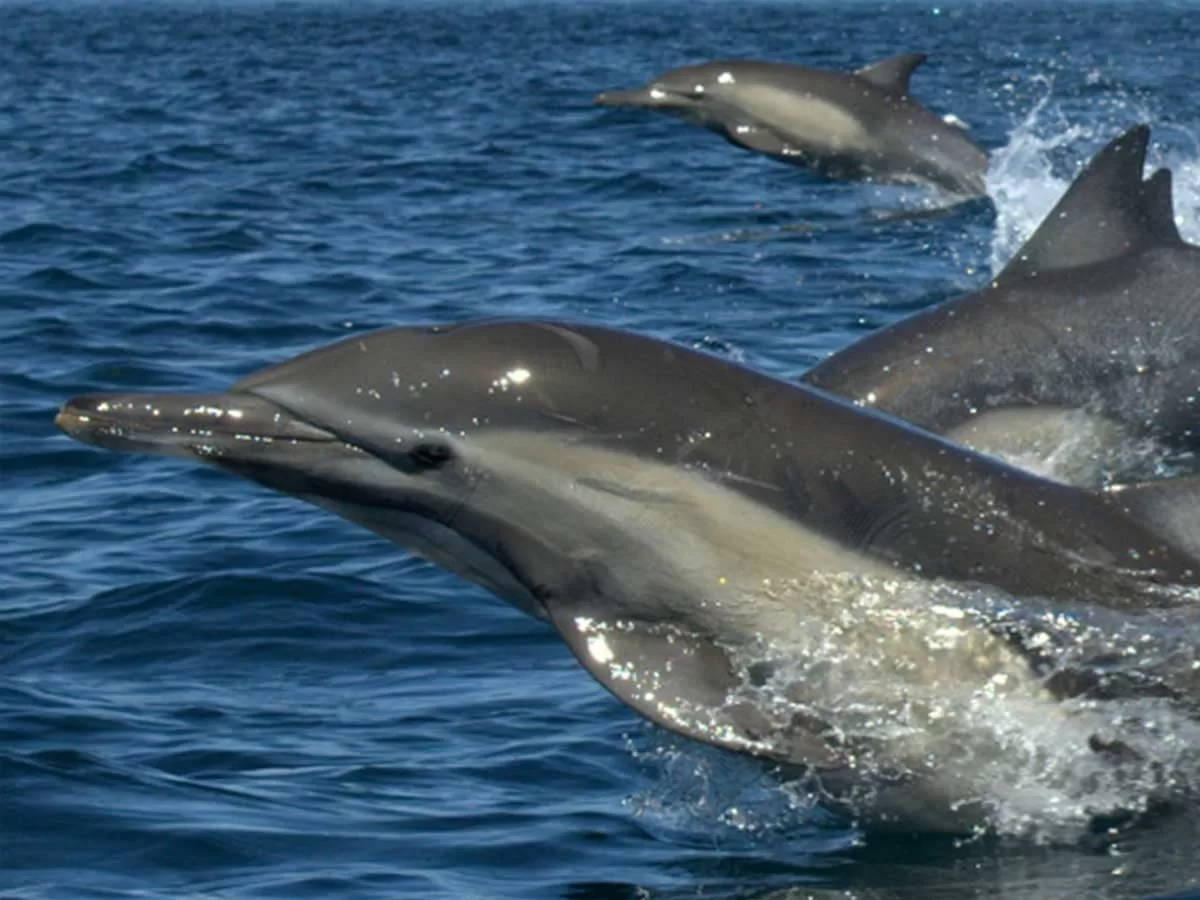
Also known as “Dolphin House,” Mahmya is another protected zone where wild dolphins are frequently spotted. Swimming with dolphins is regulated to protect the animals, but guided eco-tours offer safe and respectful encounters.
The island’s coral reefs are healthy and teeming with marine life. It’s a quieter alternative to Giftun, ideal for those seeking a more peaceful experience.
3. Hurghada Marina
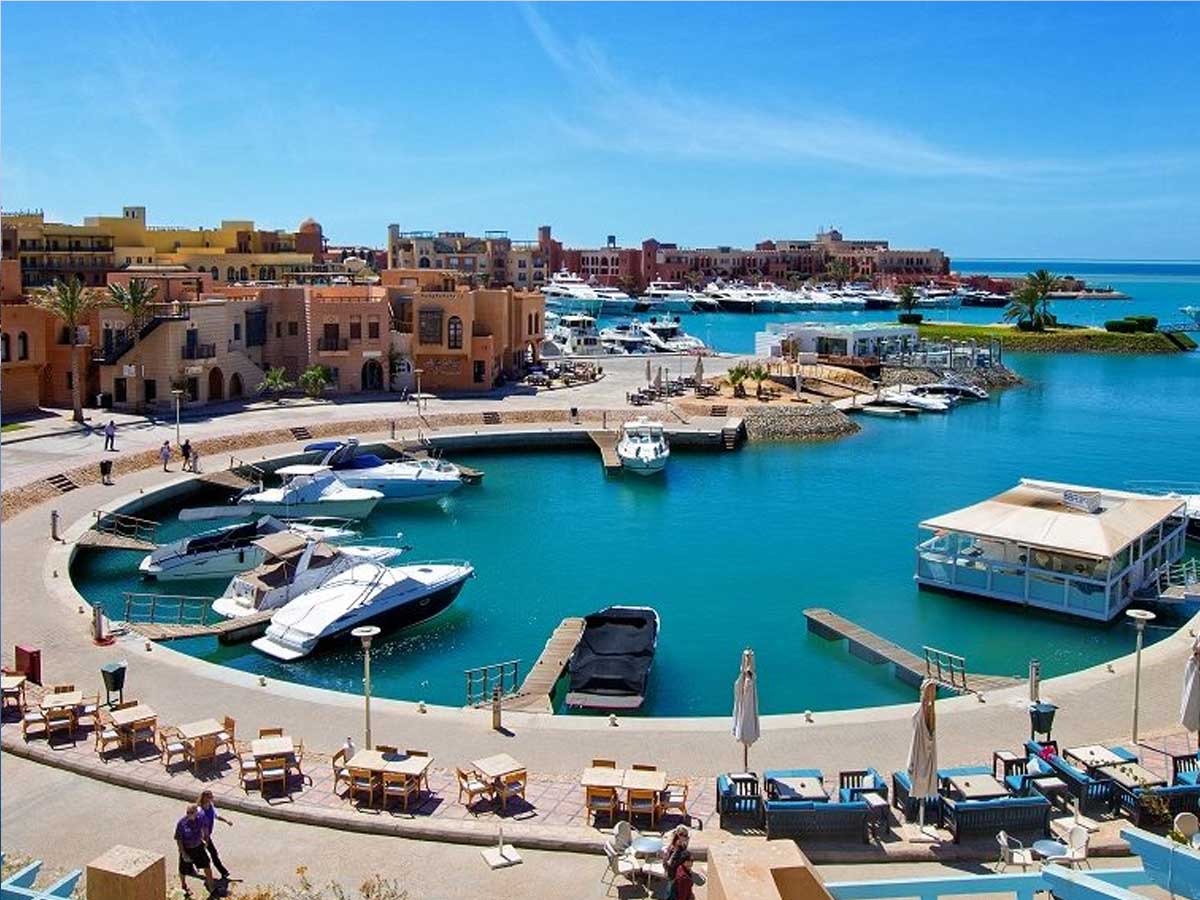
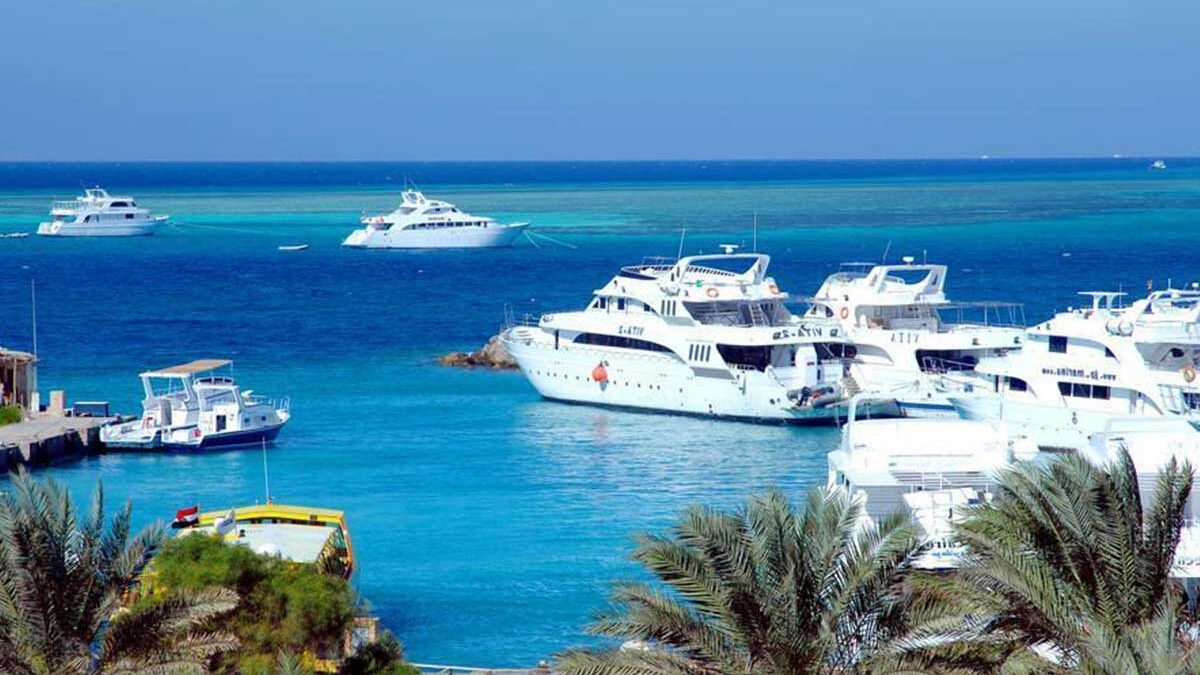
Located in the heart of the city, the marina is a modern waterfront development featuring luxury yachts, fine dining restaurants, cafes, and boutique shops. It serves as a hub for boat excursions, diving trips, and sunset cruises.
The area is beautifully lit at night and perfect for an evening stroll. Live music and street performers often entertain visitors.
4. The Old Market (Souq)
The traditional market, or souq, in El Dahar offers a glimpse into local life. Here, you can find spices, perfumes, textiles, handmade jewelry, and souvenirs.
Haggling is expected, and vendors are usually friendly. Try local snacks like koshari or fresh fruit juice while exploring.
5. Abu Tig Marina
A newer, upscale marina located north of the city, Abu Tig features a Mediterranean-style promenade, luxury boutiques, and family-friendly entertainment. It hosts boat shows, live events, and yacht charters.
Families enjoy the mini-golf, playgrounds, and water sports rentals available here.
6. Desert Safari Adventures
No trip to Hurghada is complete without a desert safari. These excursions typically include:
- Dune bashing in 4×4 vehicles
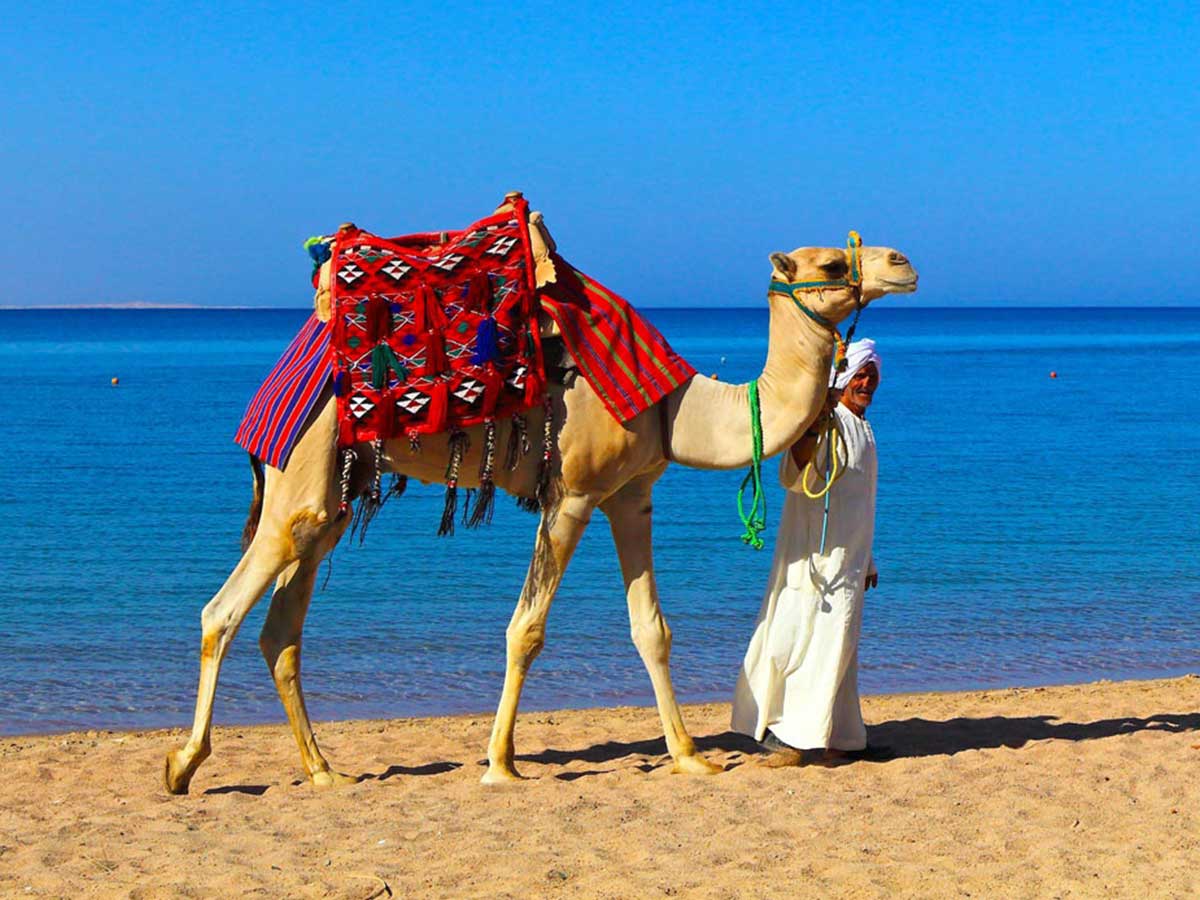
- Camel rides
- Bedouin-style dinner under the stars
- Belly dancing and fire shows
- Visits to natural springs like Ain El Qusair
Some tours go deep into the Eastern Desert, stopping at ancient mining sites or mountain viewpoints.
7. Coptic Monastery of Saint Anthony
About a three-hour drive from Hurghada, this historic monastery dates back to the 4th century. It is one of the oldest Christian monasteries in the world and dedicated to Saint Anthony, the founder of Christian monasticism.
Visitors are welcome during daylight hours. Modest clothing is required. The journey offers stunning desert scenery and a chance to learn about early Christian history in Egypt.
Best Beaches in Hurghada
Hurghada’s coastline stretches over 40 kilometers, offering numerous beaches — both public and private.
1. Makadi Bay Beach
Located about 30 kilometers south of central Hurghada, Makadi Bay is renowned for its clear waters and luxurious resorts. The beach is wide and gently sloping, making it safe for children.
Several high-end hotels operate here, including Jaz Makadi Oasis and Steigenberger Makadi. Public access is limited, but day visitors can book beach passes through tour operators.
2. Soma Bay Beach
Further south (about 45 km), Soma Bay is an exclusive resort community built on a peninsula. The beach is pristine, with powdery sand and excellent snorkeling spots.
The area is home to the Kempinski Hotel and a world-class golf course. It’s quieter and more secluded than central Hurghada.
3. El Gouna Beach
Though technically a separate town, El Gouna is only 25 kilometers north and often included in Hurghada itineraries. Designed like a Mediterranean village, it features lagoons, wind-surfing spots, and upscale dining.
The beaches are well-maintained, and the atmosphere is relaxed and cosmopolitan.
4. Safaga Road Beaches
Along the road leading to Safaga, several resorts offer private beach access. These areas are less crowded and popular with long-term visitors and expats.
5. Public Beaches in El Dahar
Near the old town, small public beaches provide free access to the sea. While not as scenic as resort beaches, they are convenient for budget travelers.
Popular spots include Mama Mia Beach and Lido Beach, which offer sunbeds, umbrellas, and basic food services.
Water Sports and Activities in Hurghada
Hurghada is a paradise for water sports enthusiasts. The calm, warm waters of the Red Sea create ideal conditions for a wide range of activities.
Scuba Diving
Hurghada is considered one of the top diving destinations in the world. The Red Sea’s coral reefs are among the most diverse and well-preserved globally.
Popular dive sites include:
- Ras Abu Galawa: A reef with dramatic drop-offs and strong currents, suitable for advanced divers.
- Umm Gamar Island: Known for its coral walls and frequent sightings of reef sharks.
- The Elphinstone Reef: Famous for encounters with oceanic whitetip sharks and hammerheads (advanced diving only).
- SS Thistlegorm Wreck: One of the most iconic wreck dives in the world, located about 70 km north of Hurghada. This WWII cargo ship sank in 1941 and is now covered in coral and marine life.
Many dive centers in Hurghada are PADI-certified and offer courses for beginners. A Discover Scuba Diving (DSD) session allows first-timers to dive under supervision after a short training.
Snorkeling
For those who prefer to stay at the surface, snorkeling is widely available. Trips to Giftun Islands or Mahmya often include snorkeling stops. Some resorts have house reefs accessible directly from the beach.
Windsurfing and Kitesurfing
Hurghada has been a windsurfing hotspot since the 1980s. The steady winds and shallow bays make it perfect for both learning and advanced maneuvers.
Dolphin Bay and Abu Soma are two of the best spots. Several schools offer equipment rental and lessons.
Kitesurfing has grown in popularity in recent years. Dedicated launch zones and professional instructors make it accessible to beginners.
Jet Skiing and Banana Boat Rides
For thrill-seekers, jet ski rentals and banana boat rides are available at most beaches. Operators usually require a valid license or provide short training.
Glass-Bottom Boat Tours
Ideal for families and non-swimmers, these tours offer underwater views without getting wet. Many boats are equipped with live commentary and refreshments.
Submarine Excursions
The Semsubmarine and Jules’ Undersea Lodge-style vessels allow visitors to explore the reef from inside an air-filled cabin. These are popular with older adults and young children.
Family-Friendly Activities in Hurghada
Hurghada is a great destination for families. Many resorts are designed with children in mind, and numerous attractions cater to all ages.
1. Jungle Aqua Park
One of the largest water parks in the Middle East, Jungle Aqua Park features slides, wave pools, lazy rivers, and play areas for kids. Located in Makadi Bay, it’s a full-day adventure.
Tickets can be purchased online or at the gate. Locker rentals and food outlets are available.
2. Hurghada Grand Aquarium
Opened in 2023, this state-of-the-art aquarium showcases over 1,000 marine species from the Red Sea and beyond. Interactive exhibits, touch pools, and educational programs engage children and adults alike.
The building is shaped like a giant seashell and located near the marina.
3. Horseback Riding on the Beach
Several stables offer guided horseback rides along the shoreline at sunrise or sunset. It’s a romantic and memorable experience for families and couples.
4. Mini-Disney and Fun Zones
Smaller amusement areas like Mini-Disney in El Dahar feature rides, trampolines, and arcade games. These are budget-friendly options for younger kids.
5. Dolphin and Sea Lion Shows
At resorts like Jungle Aqua Park and some marina complexes, trained dolphins and sea lions perform entertaining shows. Educational talks are often included.
Luxury and Budget Accommodations in Hurghada
Hurghada offers a wide range of places to stay, from affordable guesthouses to ultra-luxurious resorts.
Luxury Resorts
- Steigenberger Al Dau Beach: A five-star resort with private beach access, multiple pools, and gourmet dining.
- Jaz Makadi Oasis: All-inclusive family resort with water slides, kids’ clubs, and themed restaurants.
- Kempinski Hotel Soma Bay: Set on a secluded bay, this hotel features a championship golf course and a world-class spa.
- Sheraton Montazah Hurghada Resort: Overlooks a coral reef and offers direct snorkeling access.
These properties often include:
- 24-hour room service
- Fitness centers and wellness spas
- Multiple swimming pools
- Kids’ clubs and entertainment programs
Mid-Range Hotels
- Barceló Resort El Quseir: Located slightly south, offers good value with comfortable rooms and sea views.
- Tropitel Sahl Hasheesh: A boutique-style resort with elegant design and personalized service.
- Seagull Resort: Popular with European families, known for its friendly staff and beachfront location.
Budget-Friendly Options
- Hotel Sunrise Garden: Affordable with clean rooms and a pool.
- Hostel Hurghada: A backpacker-friendly option with dorms and private rooms.
- Guesthouses in El Dahar: Small family-run lodgings offering basic amenities and local charm.
Many travelers choose all-inclusive packages, which cover meals, drinks, and some activities. These are especially popular with European tour operators.
Shopping in Hurghada
Shopping in Hurghada ranges from traditional souqs to modern malls.
1. Hurghada Plaza Mall
The largest shopping center in the city, located near the airport. It features international brands, a supermarket, cinema, and food court.
2. Sahara Mall
Another modern mall with fashion stores, electronics, and children’s play areas.
3. Local Markets
The old souq remains the best place for authentic souvenirs. Bargaining is part of the experience. Popular items include:
- Papyrus paintings
- Alabaster statues
- Perfumes and essential oils
- Gold and silver jewelry
- Spices and herbal teas
Avoid purchasing coral or shells — collecting marine life is illegal and harms the ecosystem.
Dining and Cuisine in Hurghada
Hurghada offers a rich culinary scene influenced by Egyptian, Mediterranean, and international flavors.
Traditional Egyptian Food
Must-try dishes include:
- Koshari: A mix of rice, lentils, pasta, and tomato sauce topped with fried onions.
- Ful Medames: Mashed fava beans with olive oil and spices, usually eaten for breakfast.
- Taameya (Egyptian falafel): Made from fava beans, served in pita with vegetables.
- Grilled seafood: Freshly caught fish, prawns, and calamari are staples.
Local restaurants like Abu Hashish and El Tabei are highly rated by visitors.
International Cuisine
Due to the large number of tourists, Hurghada has many international restaurants:
- Italian pizzerias
- Indian curry houses
- Turkish kebab shops
- Chinese and Japanese buffets
- Steakhouses and burger joints
Many resorts offer themed dinner nights, such as Egyptian, Mexican, or seafood buffets.
Seafood by the Marina
Restaurants along the marina specialize in fresh fish. Diners can select their catch from tanks and have it grilled to order.
Popular spots include Samaka and Fish Market.
Coffee and Tea Culture
Egyptian tea (sweet black tea with mint) and Arabic coffee are widely served. Cafes like Cilantro and Cilvaringz offer modern lounge settings with shisha (hookah).
Transportation in Hurghada
Getting around Hurghada is relatively easy, though public transport is limited.
Taxis
White and black taxis are common. Always agree on the fare before starting the journey. Ride-hailing apps like Uber are available but less widespread.
Buses
Public buses run between major areas like El Dahar, Sekalla, and Makadi Bay. They are inexpensive but not always reliable.
Car Rentals
Renting a car gives the most flexibility. Major companies like Avis, Hertz, and Europcar have offices at the airport and in the city.
Driving is on the right. Roads are generally good, but traffic can be chaotic in central areas.
Airport Transfers
Most hotels offer shuttle services. Pre-booking a private transfer ensures a smooth arrival.
Safety and Travel Tips for Hurghada
Hurghada is considered safe for tourists, especially in designated resort areas. The Egyptian government deploys police and security personnel at major hotels and tourist sites.
General Safety Tips
- Avoid walking alone at night in non-tourist areas.
- Keep valuables secure; use hotel safes.
- Drink bottled water only.
- Respect local customs — dress modestly outside resorts.
- Carry a copy of your passport and visa.
Health Precautions
- Sunburn is a common issue. Use high-SPF sunscreen.
- Stay hydrated in hot weather.
- Ensure food is freshly cooked and served hot.
- Travel insurance is recommended.
Environmental Responsibility
- Do not touch or step on coral reefs.
- Avoid using chemical sunscreens that harm marine life.
- Refrain from littering, especially on beaches.
Hurghada for Digital Nomads and Expats
In recent years, Hurghada has become a destination for remote workers and retirees. The low cost of living, warm climate, and growing expat community make it attractive.
Co-working spaces are emerging, and internet speeds have improved. Many choose to rent apartments in Makadi Bay or Soma Bay for longer stays.
The city hosts social groups for foreigners, including language exchanges, beach meetups, and cultural events.
Events and Festivals in Hurghada
Hurghada hosts several annual events that draw international attention:
- Hurghada International Festival: A cultural event featuring music, dance, and art exhibitions.
- Red Sea Jazz Festival: Though smaller than its Tel Aviv counterpart, it attracts regional jazz musicians.
- Boat and Diving Shows: Industry events that showcase new marine technology and eco-tourism initiatives.
- Ramadan Nights: During the holy month, special iftar meals and lantern decorations create a unique atmosphere.
Conclusion
Hurghada is more than just a beach destination. It’s a dynamic city where adventure, relaxation, and culture intersect. From diving among coral reefs to riding camels through the desert, every experience leaves a lasting impression.
Its transformation from a fishing village to a world-class resort reflects Egypt’s growing role in global tourism. With continued investment in sustainability and infrastructure, Hurghada is poised to remain a top destination for decades to come.
Whether you’re planning a romantic getaway, a family vacation, or a solo adventure, Hurghada welcomes you with warm sunshine, turquoise waters, and open arms.
Sources:
- Egyptian Ministry of Tourism and Antiquities – https://www.tourism.gov.eg
- UNESCO World Heritage Centre – Red Sea Coral Reefs
- World Meteorological Organization – Climate Data for Hurghada
- PADI (Professional Association of Diving Instructors) – Dive Site Reports
- Lonely Planet Egypt (2023 Edition)
- TripAdvisor – Top Attractions in Hurghada
- Hurghada Development Authority – Master Plan 2030